SERVERS
Request in, answer out
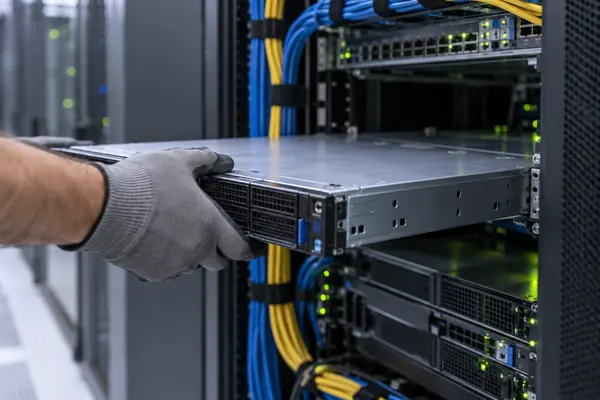
Britannica defines a server as a network computer, program or device that processes requests from a client. A web server sends pages to your computer when asked.
Where power goes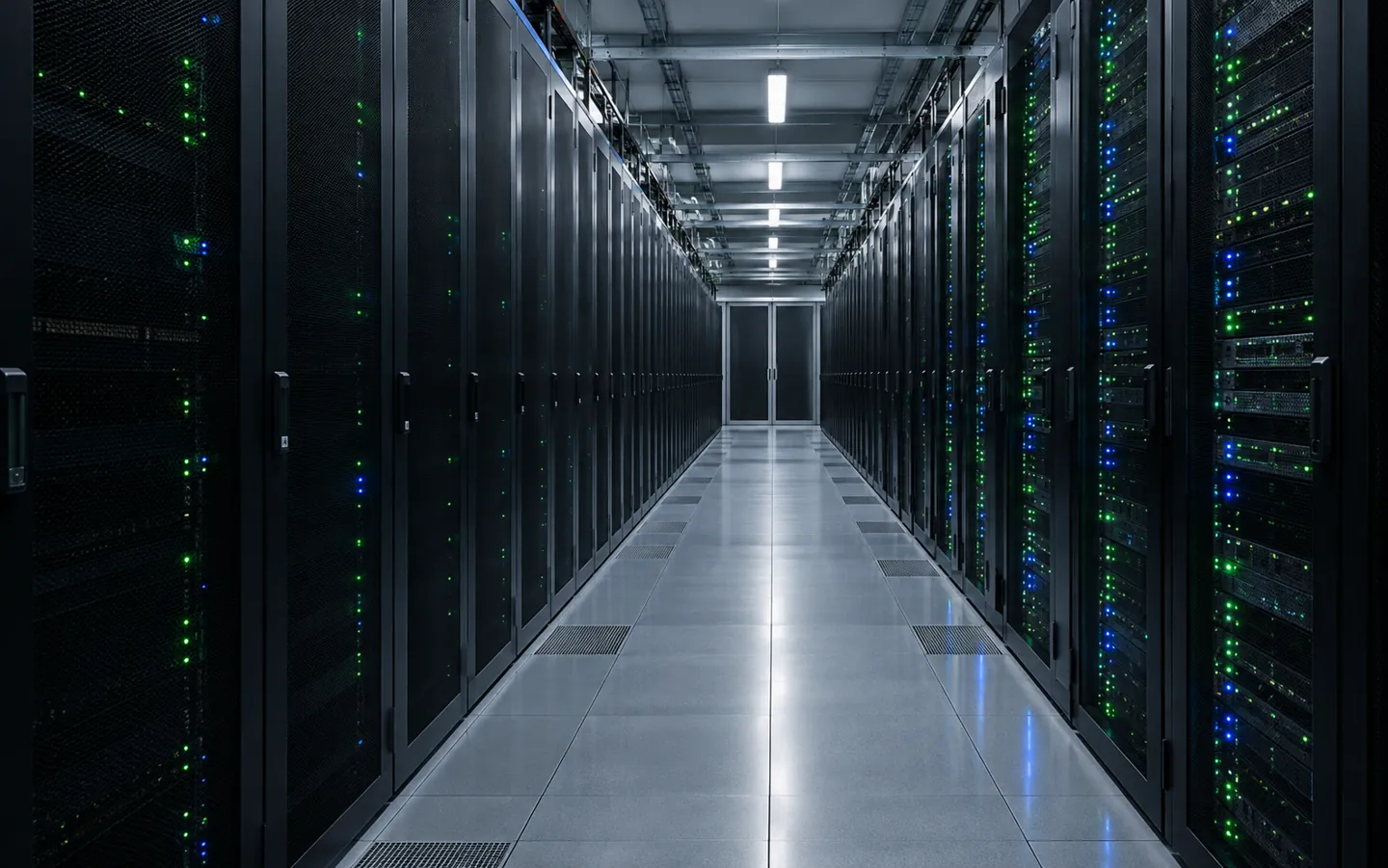
 doodleserver
WHAT THE FIGURES SAY
≈ 1.5% of world electricity in 2024
Somewhere, a computer answers every web page you open.
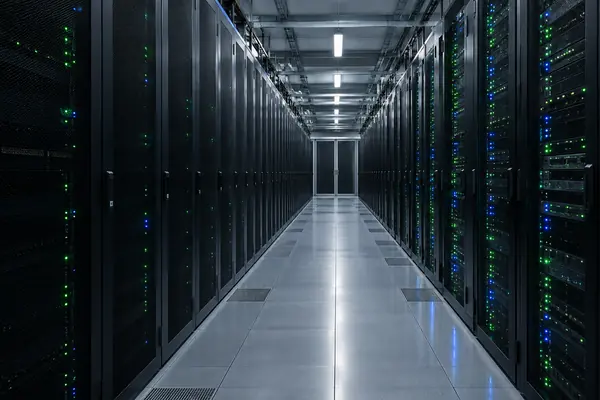
That computer is a server: a machine or program that processes requests from a client, such as your phone or laptop. Thousands of them sit together in data centres, and the International Energy Agency now tracks how much electricity they use.
Updated
See where the power goesTHE SHORT ANSWER
Servers are defined by the job they do.
The job can be web pages, files, printing or traffic.
SERVERS
Britannica defines a server as a network computer, program or device that processes requests from a client. A web server sends pages to your computer when asked.
Where power goesDATA CENTRES
The IEA says data centres used around 415 TWh of electricity in 2024, about 1.5% of global electricity consumption.
See the numbersCOOLING
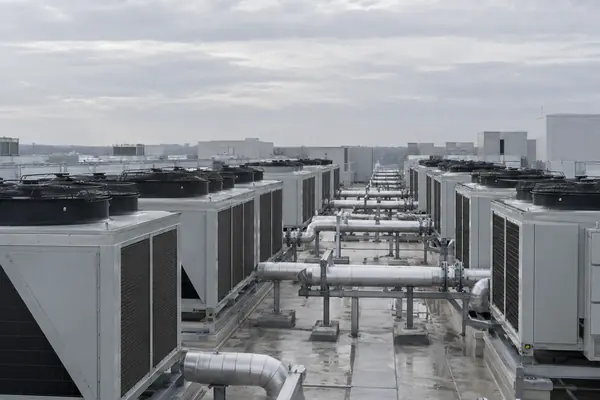
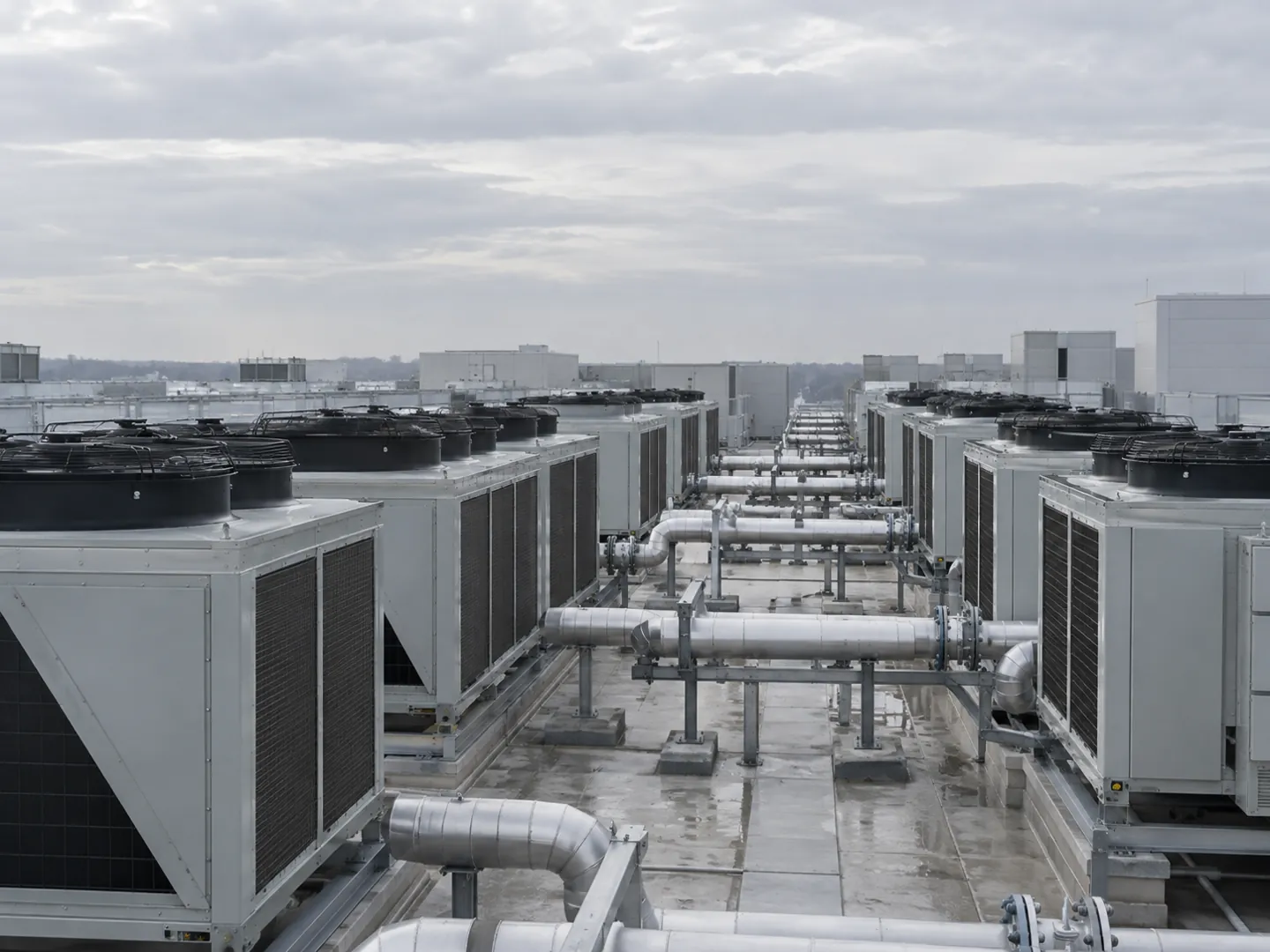
Cooling uses about 7% of a data centre's electricity in efficient large sites, but over 30% in less efficient enterprise facilities.
Where it comes fromINSIDE A DATA CENTRE
Pick a part of a modern data centre to see roughly what share of its electricity it uses. The bar shows the size of that share.
Average figures from the International Energy Agency's Energy and AI report. Shares vary by type of data centre.
TWO NUMBERS WORTH KNOWING
One figure for data centres worldwide,
one for a single large site.
≈ 1.5%
Share of global electricity used by data centres in 2024
That is around 415 TWh. The IEA's Base Case sees it more than doubling to around 945 TWh by 2030, just under 3% of global electricity consumption.
WORLDWIDE · IEA
100,000
Households matched by a typical AI-focused data centre
The IEA says a typical AI-focused data centre consumes as much electricity as 100,000 households, and the largest ones under construction will consume 20 times as much.
ONE SITE · IEA
The IEA says data centre electricity use has grown by about 12% a year over the last five years, and expects around 15% a year from 2024 to 2030, more than four times faster than electricity use from all other sectors.
FOUR THINGS TO KNOW
Opening a web page sets off a chain of machines most of us never see. These are the parts the figures describe.
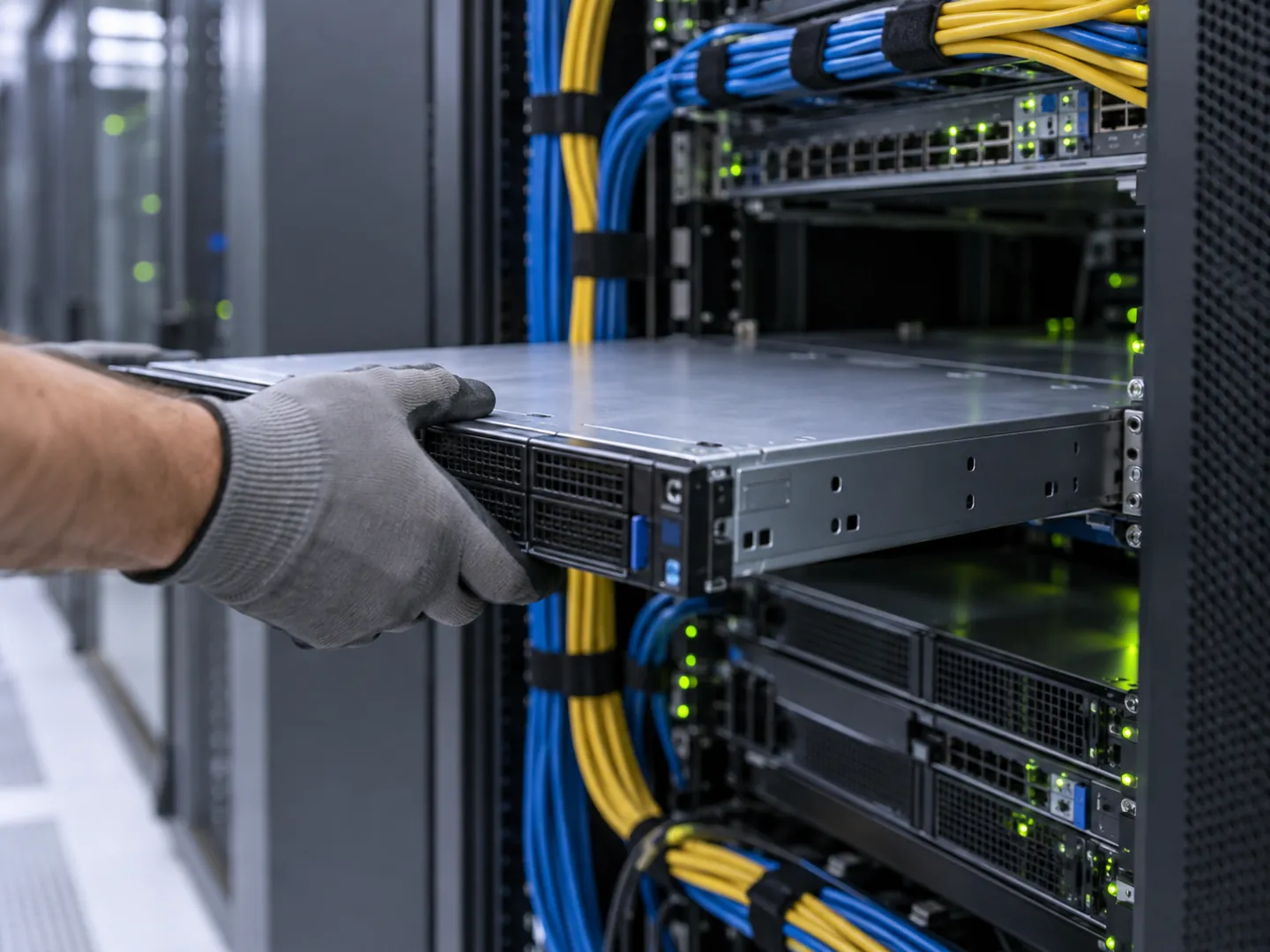
Your phone or laptop sends a request, and a server processes it and sends something back.
Web servers send pages, file servers store and retrieve files, and print servers manage printers on a local network.
On average, servers use around 60% of the electricity in a modern data centre.
Efficient sites spend about 7% of their electricity on cooling; less efficient ones over 30%.
WHERE THE POWER COMES FROM
In 2024, coal was the largest single source of data centre electricity worldwide at about 30%, according to the IEA. Renewables supplied about 27%, natural gas 26% and nuclear 15%.
The IEA expects renewables to meet nearly half of the additional data centre demand over the next five years. In Europe, renewables and nuclear combined are set to reach an 85% share of data centre electricity by 2030.
Questions
Britannica defines a server as a network computer, computer program or device that processes requests from a client. The same word can describe the machine or the software running on it.
It uses the HTTP protocol to send web pages to a client's computer when the client requests them.
The International Energy Agency estimates around 415 TWh in 2024, about 1.5% of global electricity consumption, rising to around 945 TWh by 2030 in its Base Case.
It is a large share of the bill. The IEA says cooling ranges from about 7% of a data centre's electricity in efficient hyperscale sites to over 30% in less efficient enterprise ones.
In 2024, about 30% came from coal, 27% from renewables, 26% from natural gas and 15% from nuclear, according to the IEA.
Sources
ABOUT THIS NAME
doodleserver.com is part of the DoodleSale portfolio. It isn't in an auction right now, but you can ask about leasing it.